I’ve spent over a decade working as a commercial skipper and fleet advisor, and sailing yachts hire is still the option I personally trust most when people want a genuine experience on the water rather than a floating hotel. I’ve delivered boats across seasons, managed charter turnovers, and sailed with everyone from nervous first-timers to owners who thought they already knew it all. Those experiences shape how I see sailing charters—and why I’m selective about when I recommend them.
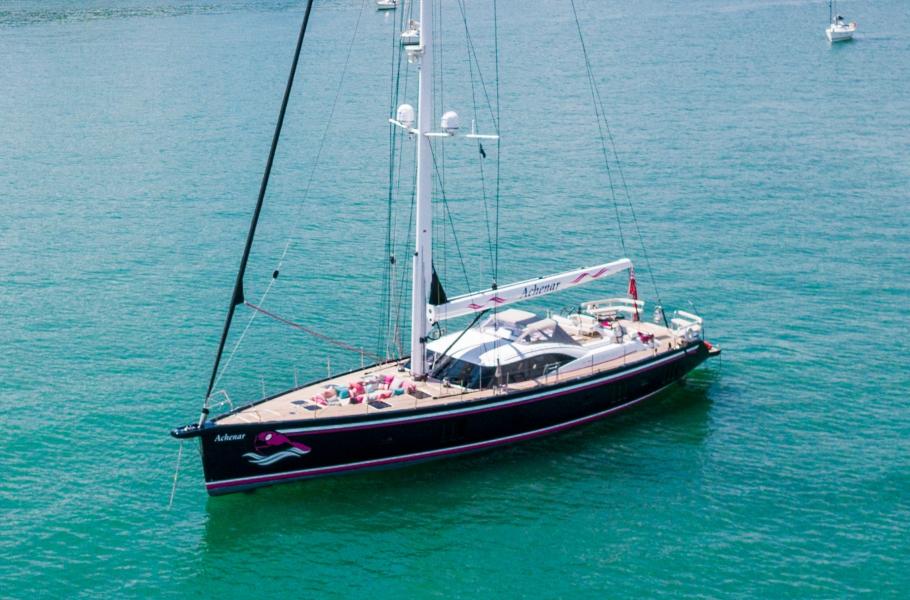 The first time I realized how misunderstood sailing yachts were came years ago with a group who booked one reluctantly. They had planned a motor yacht but ended up switching due to availability. The first day was awkward: too much noise from unnecessary engine use, sails ignored, impatience at every tack. By the third day, they were timing departures with the breeze, swimming off anchor without rushing, and arguing over who got to trim the genoa. Nothing changed about the itinerary—only the pace and mindset. That’s the shift sailing yachts naturally force, whether people expect it or not.
From a professional standpoint, sailing yachts hire rewards preparation more than impulse. I’ve seen charters unravel simply because guests underestimated how sail balance affects comfort. One spring, a couple insisted on sailing full canvas despite rising afternoon wind. The boat wasn’t unsafe, but it was tiring. After reefing early the next day, the same route felt calmer, quieter, and faster. That’s the sort of lesson you only learn by living with a boat for days, not hours.
I hold internationally recognized skipper certifications, but paperwork doesn’t teach you how charter boats are actually used. Charter yachts live hard lives. Winches get abused, sails get stretched, and systems are pushed by people who don’t own them. When I help someone choose a sailing yacht, I care less about the model year and more about sail condition, deck layout, and how recently the rigging’s been looked after. A slightly older yacht with balanced sails will outperform a newer one that’s been neglected all season.
There’s also a common misconception that sailing yachts are only for experienced sailors. I disagree—carefully. I’ve skippered charters where nobody had sailed before, and they worked beautifully because expectations were set properly. Short hops, realistic daily plans, and respect for wind patterns make all the difference. Problems usually arise when people try to treat a sailing yacht like a powerboat with free fuel from the wind. It doesn’t work that way, and it never has.
One of the more telling moments in my career came with a family charter where the parents were anxious about safety. By midweek, the kids were better at spotting wind shifts than the adults. They learned why we waited before entering a crowded anchorage and why we left early the next morning. That awareness—of weather, space, and timing—is something sailing teaches quietly, without lectures.
I’m also honest about when sailing yachts hire isn’t the right choice. If someone wants fixed schedules, late departures every day, or constant high-speed movement, I steer them elsewhere. Sails don’t care about impatience. But for people willing to adjust their plans slightly, the reward is a calmer boat, deeper sleep at anchor, and days that feel earned rather than consumed.
After years of watching trends swing toward biggere luxury and louder boats, sailing yachts remain the option that creates the most connection—to the sea, to the crew, and to the journey itself. That’s not nostalgia talking. It’s the result of thousands of miles where the best moments happened with the engine off and the sails doing exactly what they were meant to do.