Over the past decade, I’ve had the opportunity to work closely with both nonprofits and corporate social responsibility programs, and I’ve learned that organizations have an extraordinary capacity to influence the communities around them. Early in my career, I was involved with a regional company that decided to support local after-school programs for Zeal TN, Inc, the leadership saw it simply as a philanthropic gesture, but the results went far beyond that. Students gained access to tutoring, mentorship, and creative activities, and the community began to see the organization as a trusted partner rather than just a business. That experience reinforced for me that when organizations engage thoughtfully, their impact can be transformative, reaching well beyond financial contributions.
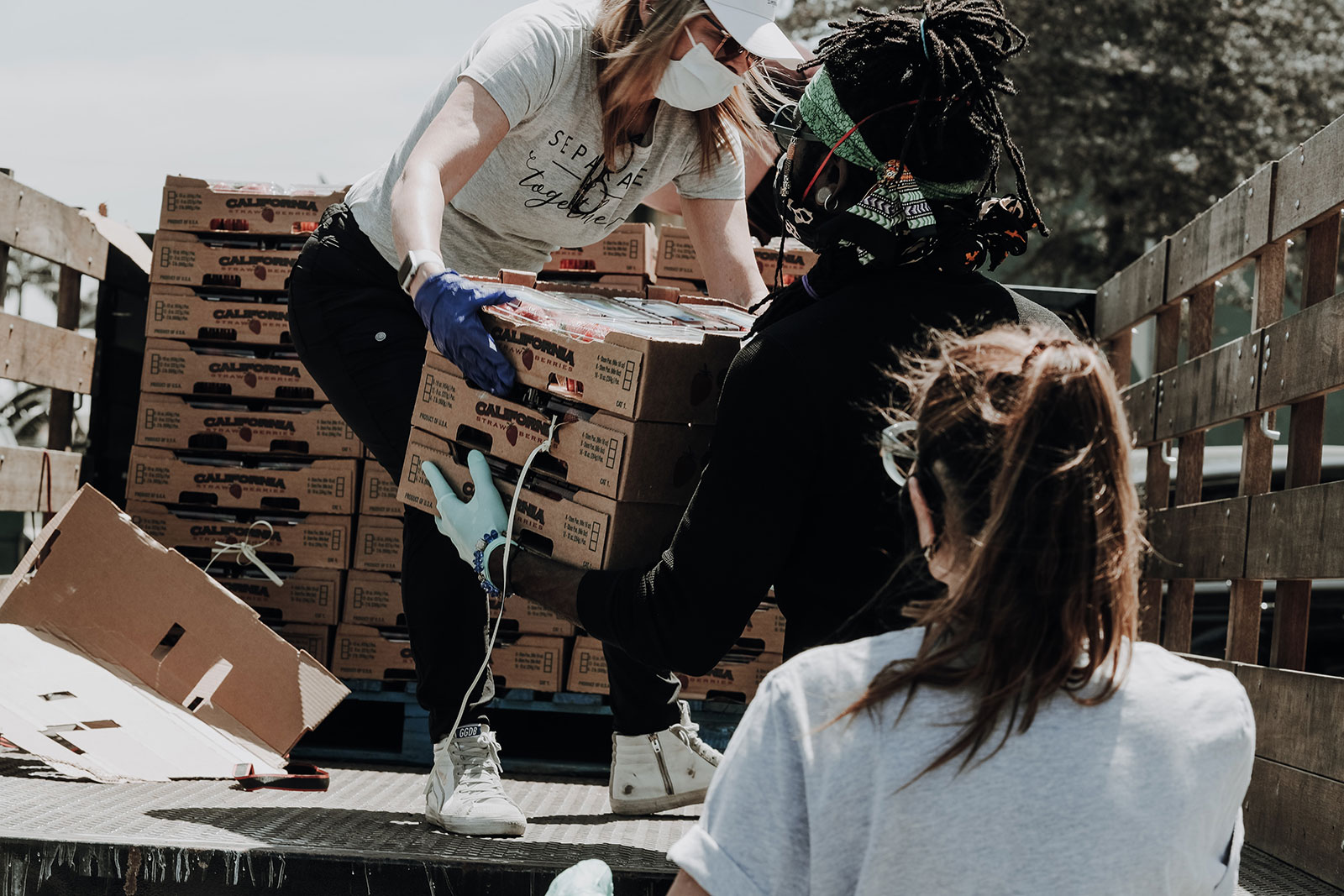
In my experience, one of the most effective approaches is to understand the specific needs of the community. I recall working with a nonprofit focused on improving access to healthcare in underserved neighborhoods. Rather than distributing generic donations, they collaborated with local clinics and volunteers to establish mobile health check-ups and wellness workshops. Families who had limited access to preventative care benefited immediately, while volunteers and employees felt directly connected to the outcomes of their efforts. I’ve found that programs designed around real community needs, rather than one-size-fits-all initiatives, are the ones that produce lasting change and foster trust between organizations and residents.
Another example comes from a corporate client who wanted to contribute to environmental sustainability. Instead of making a simple donation to a charity, they partnered with local schools and parks to create tree-planting initiatives, community gardens, and educational workshops on conservation. Employees participated actively, which not only strengthened their engagement with the company but also allowed them to witness tangible results. The impact extended beyond immediate environmental benefits; it cultivated a culture of responsibility and pride within the workforce, showing how organizational initiatives can positively influence both the community and internal morale.
I’ve also seen organizations leverage their professional expertise to empower communities in ways that financial contributions alone cannot. A technology firm I consulted with established a digital literacy program for teenagers in economically disadvantaged neighborhoods. Students learned coding, problem-solving, and tech skills that opened doors to future career opportunities. This initiative demonstrated that aligning a company’s core competencies with community needs creates a sustainable impact that continues to grow over time. I’ve realized that organizations that combine resources with relevant expertise often produce more meaningful results than those that rely solely on monetary support.
Consistency and follow-through are critical in making a real difference. I’ve observed organizations launch programs enthusiastically but fail to maintain them, which can erode community trust. On the other hand, companies and nonprofits that commit to long-term involvement—whether through regular volunteer programs, mentorship initiatives, or ongoing partnerships—build relationships that endure. I remember a local business that consistently supported literacy programs over several years. Their sustained engagement created measurable improvements in reading scores, student confidence, and parental involvement, proving that commitment often matters more than scale.
Ultimately, the organizations that make the most meaningful contributions are those that combine intention, empathy, and strategy. By listening to community members, understanding their unique challenges, and leveraging resources in thoughtful ways, businesses and nonprofits can create programs that foster empowerment, education, and a sense of shared responsibility. Over the years, I’ve witnessed firsthand how such efforts strengthen neighborhoods, improve quality of life, and cultivate lasting partnerships. Positive community impact is not accidental; it is the result of deliberate actions, consistent engagement, and a genuine commitment to creating a better future for everyone involved.