Garage Door Repair Parker has been my full-time work for over ten years, and I still start most jobs the same way—standing in the driveway, watching the door move, and listening. Before I touch a tool, the door usually tells me what’s wrong. I’m a licensed garage door technician, and after thousands of service calls around Parker, I’ve learned that small changes in sound, speed, or balance often matter more than obvious breakdowns.
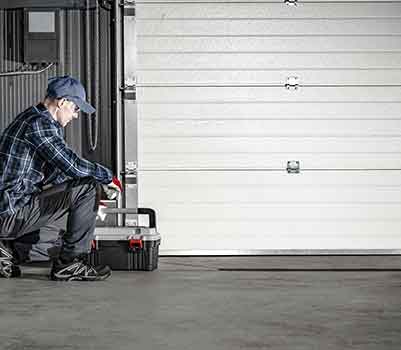 One call that stuck with me came from a homeowner who said the door had become “temperamental.” Some days it opened fine, other days it reversed halfway up. Another company had already told him he needed a new opener. When I tested the door manually, it wouldn’t stay open at chest height—it drifted down slowly. That told me the springs were fatigued. They hadn’t snapped, which is why the problem felt random, but they were no longer carrying their share of the load. Replacing the springs and resetting the limits fixed the issue, and the opener stayed right where it was. I tend to be skeptical any time a motor gets blamed before balance is checked.
Parker’s weather plays a bigger role in garage door problems than most people realize. Rapid temperature swings take a toll on steel springs and rollers. Last fall, I worked on a door that sounded like it was grinding itself apart every morning but quieted down by afternoon. The culprit wasn’t the opener—it was dry hinges and worn rollers reacting to cold overnight temperatures. A proper service, new rollers, and correct lubrication solved a noise problem that had been driving the homeowner crazy for months.
One of the most common mistakes I see is homeowners trying to force a door that’s telling them to stop. If a door feels heavy, jerks on the way up, or slams shut, forcing it open with the opener only compounds the damage. I once repaired a door where the opener rail had bent because the motor was repeatedly trying to lift a door with a broken spring. The repair ended up involving springs, a new rail, and panel reinforcement. If the door had been left alone after the spring failed, the fix would have been far simpler.
I also see a lot of confusion around cables. People tend to ignore them until something goes wrong. Cables don’t usually fail without warning—they fray, rust, or lose tension gradually. A customer last spring noticed one side of the door lifting faster than the other but assumed it was a track issue. One cable had jumped slightly on the drum and was wearing unevenly. Catching it early prevented panel damage and kept the door square. Cable problems are subtle, but they can escalate quickly if left alone.
I’m selective about recommending full replacements. Some older doors in Parker are heavier, but they’re built from thicker steel and can last decades with the right maintenance. If the panels are straight and the frame is solid, I usually recommend repairing the hardware instead of replacing the door. On the other hand, I don’t hesitate to suggest replacing outdated openers that lack modern safety features. A door that doesn’t reverse reliably or has failing sensors is a risk I’m not comfortable ignoring.
DIY repairs are another area where experience matters. I understand the appeal of fixing things yourself, but torsion springs and cable systems aren’t forgiving. I’ve walked into garages where winding bars were substituted with improvised tools or set screws were barely tightened. In one case, a homeowner stopped midway through a spring adjustment because “something didn’t feel right.” He was right to stop—the spring was wound unevenly and the door was seconds away from losing tension. Knowing when to step back can prevent serious injury.
After years of handling Garage Door Repair Parker jobs, I trust the basics: balance before motors, hardware before electronics, and listening before replacing. A garage door doesn’t usually fail without warning. It slows down, gets louder, or starts behaving inconsistently. Paying attention to those signs—and addressing them early—keeps repairs straightforward and doors working the way they should, day after day.